
Naming words are the words that name a person, a place, an animal or a thing: mom, park, dog, cup. About two in three of the first fifty words children say are naming words.
The grammar name for a naming word is noun, from the Latin nomen, which means name.
In this guide
Naming words list
The naming words list below sorts everyday words by what they name, with one sentence for each group to say at home:
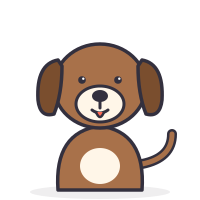 dog
 cup
 tree
 head
| What it names | Naming words | A sentence to say |
|---|---|---|
| People | mom, dad, sister, brother, grandma, friend, teacher, doctor | “Your friend is at the door.” |
| Places | home, park, beach, zoo, kitchen, garden, city, school | “We’re going to the park.” |
| Animals | dog, cat, bird, cow, horse, fish, rabbit, elephant | “The bird is on the roof.” |
| Things at home | cup, spoon, bed, chair, door, book, ball, shoe | “Where is your other shoe?” |
| Things outside | tree, flower, car, bus, sun, rain, rock, puddle | “Look at that big puddle!” |
| Body | head, hair, nose, ear, hand, knee, foot, tummy | “Wash your hands, please.” |
| Food and drink | apple, banana, bread, rice, egg, milk, juice, water | “Can I have some rice?” |
Any room at home is full of them. The kitchen alone has plate, fork, pan, pot, fridge, sink, faucet and oven.
Our picture dictionary posters put animals, food, home and clothes on a page each, with a picture next to every naming word, ready to color and hang up.
What are naming words
A naming word is any word that names someone or something, from your grandma to the moon.
Most naming words sound right after the word the: the girl, the river, the noise, the idea. Words like went, happy and under don’t, so a child can use the same check on a new word.
Naming words also name stuff you can’t count one by one, like water, sand, flour and rice. These take some, as in some water and some sand.
In a sentence, naming words tell you who did something, what it happened to and where: “The dog dropped the ball in the garden.” Without dog, ball and garden, the sentence says almost nothing.
Most naming words also change when there is more than one: a box and two boxes, a bus and two buses. Our lesson on plural nouns starts with one cat and two cats.
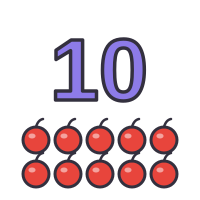
10 naming words
These 10 naming words come up in almost every family’s day, from the morning to bedtime, and each one has a sentence to go with it:
- toothbrush: “Where’s your toothbrush?”
- breakfast: “Breakfast is ready!”
- shoes: “Shoes on, we’re going out.”
- bus: “Here comes the bus.”
- teacher: “Wave to your teacher.”
- playground: “Let’s stop at the playground.”
- dog: “The dog next door is barking.”
- lunch: “What’s for lunch?”
- towel: “Here’s your towel.”
- bed: “Into bed you go.”
Teacher is the person on the list, playground is the place and dog is the animal. The other seven are things, and breakfast and lunch count as things too.
Common and proper naming words
Common naming words name any one of a kind, and proper naming words name one particular person, place or thing, so city is a common naming word and Mumbai is a proper one.
| Common naming word | Proper naming word |
|---|---|
| girl | Maya |
| boy | Leo |
| country | Spain |
| river | Thames |
| mountain | Everest |
| planet | Mars |
| dog | Bruno |
Proper naming words start with a capital letter wherever they sit in a sentence: “We flew to Rome to see Aunt Rosa.” Common ones start with a small letter unless they open the sentence.
Family words can be both. In “my mom is home,” mom is a common naming word, and in “Hi, Mom!” it is used as her name and takes a capital letter.
Some proper names are built from common words: the Red Sea, the Golden Gate Bridge, Park Street. The main words all take a capital, because together they make one name.
Festivals and holidays are proper naming words too, so Diwali, Eid, Christmas and Thanksgiving always start with a capital.
Naming words you can’t touch
Naming words you can’t touch name feelings, ideas and moments: joy, fear, idea, dream, fun, help, surprise and birthday. Grammar books call them abstract nouns, and they call the naming words for things you can see and hold concrete nouns.
They pass the same check as the others: the dream, the fun, the surprise. They also come up every day in short sentences: “What a surprise!” “I need some help.” “That was fun!”
Many are built from another word with an ending added: kind and kindness, happy and happiness, move and movement, friend and friendship.
The easiest place to start is a feeling your child has just had. After a big laugh, say “That was so much fun.” The word fun then names something your child just felt.
Words that name and do
Many English words are naming words in one sentence and action words in the next: a hug and we hug, a drink and I drink, a brush and you brush.
The small word before it shows which job the word is doing. After a, an, the or my, the word names something: “a big hug,” “my drink.” After I, we, you or they, it does something: “we hug,” “they drink.”
Rain, snow, paint, kick, kiss, smile, wave, cook and fish all work both ways. In “the rain is cold,” rain is a naming word, and in “it rains every day,” it is an action word.
A few pairs change their sound as well. A present, the naming word, has the stress on pre, and to present, the action word, has it on sent. Record works the same way.
Our guide to action words has games for the doing side of these pairs.
How to teach naming words
Teach naming words through the exact names of things your child already cares about, one group at a time.
- The exact word. When your child says “bird,” add the exact name when you know it: “A pigeon. Pigeons love bread crumbs.” Both are naming words, one for the group and one for the kind.
- One group a week. Spend a week on places, then a week on people, and say the naming words of that group whenever they come up: the bakery, the library, the market.
- Who and where in a book. On one page of a picture book, ask “Who is here?” and “Where are they?” Your child answers with naming words, a person and a place.
- Capitals in writing. When you write a card or a list together, say why a name gets a capital: “Uncle Ravi, capital U and capital R, because it’s his name.”
- Grammar names last. The words noun, common and proper make sense once your child already uses plenty of naming words, so they can wait for school.
Our list of first words for kids sets naming words beside the other small words of a child’s day.
Naming words games
The best naming words games at home are name, place, animal, thing, the word chain, zoom in and names for nameless things. Name, place, animal, thing and names for nameless things need paper and a pencil once your child writes, and the word chain and zoom in need only your voices.
1. Name, place, animal, thing
Choose a letter, say B. Each player finds a name, a place, an animal and a thing that start with it: Ben, beach, bear, ball. Players who write put their four words on paper and score a point for every word nobody else chose. With a beginner, play as one team and say the words aloud. Letters like Q, X and Z make the hardest rounds, so save them for last.
2. The word chain
Say a naming word, and the next player says one that starts with its last letter: dog, goat, tent, train, nest. Only naming words count, so went or happy breaks the chain, and the next player starts a new one.
3. Zoom in
One player says a big group word, like animal. The next player zooms in to a word inside it, like bird, and the next zooms in again: parrot, then a parrot’s name, Polly. Then start a new ladder: place, country, India, or food, fruit, mango, Alphonso. The ladder ends when nobody can zoom in any closer.
4. Names for nameless things
Pick a few things at home that have no name yet, like the car, the kettle or an old umbrella, and give each one a proper name together: Rosie, Mr. Whistle, Captain Drip. Write the names on paper with their capital letters and use them all week: “Rosie is ready, everyone in!”
Naming words in two languages
Naming words in Spanish and Hindi work the same way under other names: a naming word is a sustantivo in Spanish and a sangya (संज्ञा) in Hindi.
English, Spanish and German use capital letters on naming words in different ways. English gives a capital to every proper naming word, including the names of languages and nationalities: English, Spanish, Mexican. Spanish writes those words with a small letter, inglés, español, mexicano, and keeps capitals for the names of people and places. German goes the other way and starts every naming word with a capital letter, even Hund, dog, and Haus, house.
Hindi grammar sorts naming words into five kinds, and three of them match the English ones: vyaktivachak sangya for one particular person or place, like Delhi, jativachak sangya for a whole kind, like nadi, river, and bhavvachak sangya for feelings and ideas, like khushi, joy. The other two are samuhvachak sangya for groups, like parivar, family, and dravyavachak sangya for stuff you can’t count, like pani, water. A child who knows these terms from Hindi lessons has the same ideas ready for English: proper, common and abstract.
Families who speak two languages at home can find more in our guide on how to raise a bilingual child.
Tatako is built for homes with two languages: the lesson voice speaks English, and a guide voice gives short prompts in your family’s language. Your child hears each word three times with a pause to say it, touches the right one of two pictures and then names the picture first. You can see how the lessons work on the Tatako home page.
Try it today
- Play one round of name, place, animal, thing with the letter M.
- Give the fridge or the front door a proper name and use it all day.
- Find three words that work both ways, like rain, kiss and paint, and say each one both ways.
- Climb one zoom-in ladder from animal all the way to a pet’s name.
Questions parents ask
What is the difference between naming words and describing words?
Describing words tell you more about a naming word: a red ball, a tall tree, a sleepy cat. The naming word says what something is, and the describing word says what it is like.
Can a naming word be more than one word?
Ice cream, bus stop, swimming pool and fire truck each name one thing with two words. Others are written as one word, like raincoat and popcorn.
Is “it” a naming word?
It stands in for a naming word, so you don’t have to say the name twice: “Where’s the ball? It’s under the bed.” Words like it, she and they are pronouns, and our guide to pronouns for kids has the full set.
Are colors and numbers naming words?
Colors and numbers usually describe a naming word, as in a red car and three cats. They become naming words when they are the thing you talk about: “Red is my favorite” or “Seven comes after six.”
Why do children learn naming words first?
Most early naming words point to things a child can see and hold, and each thing stays the same from one day to the next: a ball is a ball on the floor, in the garden and in a book. Action words and describing words change with each moment, so children take longer to learn them.
Naming words give your child a word for every person, place, animal and thing in the day. For more English naming words with pictures to hear and say, open a Tatako lesson. It takes about five minutes a day, and your child doesn’t need to read anything.