Dinosaur names for kids are a gift to any family learning English at home. A child who won’t sit still for a word like “spoon” will happily shout “Triceratops!” across the room, because dinosaur names are big, bold and fun to say. They arrive with stomping, roaring and digging, and they turn a toy box into English that nobody has to plan.
This guide gives you ten dinosaur names with a simple way to say each one, the short names to start with, the describing words that turn dinosaur play into real sentences, and phrases for every moment of the game. Then come a dinosaur dig, a living-room museum, a few quick games and the habits that slow the names down.
In this guide
- Why dinosaur names for kids work so well
- Ten dinosaur names and how to say them
- Short names first, long names later
- Dino words that turn names into sentences
- Phrases for dinosaur play
- The dinosaur dig game
- The living-room dinosaur museum
- Four more dinosaur games
- Common mistakes with dinosaur names
- How Tatako lessons fit around dinosaur play
- Questions parents ask
Why dinosaur names for kids work so well
Dinosaur names do three jobs at once. They train the ear, because a long name asks your child to listen all the way to the end. They train the mouth, because names like T. rex and Triceratops need sounds that everyday words skip. And they open the door to plenty of useful words, since every dinosaur is big or little, fast or slow, and eats plants or meat.
Then there is the joy. A child who loves dinosaurs asks for the same name over and over, and repetition is exactly what a new word needs. You don’t have to make the topic interesting, because your child already did that. Your job is to hand over the English for what your child already wants to talk about.
Ten dinosaur names and how to say them
Start with the names your child already points at in books and in the toy box. The guide below uses plain English spelling, with the strong beat in capital letters. Say each name once slowly, then let your child copy it.
| Dinosaur | Say it like | What to notice |
|---|---|---|
| T. rex | TEE rex | Tiny arms, huge teeth and a giant roar |
| Triceratops | try-SAIR-uh-tops | Three horns on its face: “tri” means three |
| Stegosaurus | STEG-oh-SORE-us | Plates along its back and a spiky tail |
| Brachiosaurus | BRACK-ee-oh-SORE-us | A very long neck for reaching tall trees |
| Diplodocus | dih-PLOD-oh-kus | A long, thin tail like a whip |
| Velociraptor | veh-LOSS-ih-rap-ter | Small, quick and covered in feathers |
| Ankylosaurus | an-KY-loh-SORE-us | Armor on its back and a club on its tail |
| Spinosaurus | SPY-noh-SORE-us | A tall sail on its back and a taste for fish |
| Parasaurolophus | PAIR-uh-sore-OL-oh-fus | A long crest on its head, like a trumpet |
| Pteranodon | teh-RAN-oh-don | The p is silent, and it was a flying reptile, not a dinosaur |
Notice how often “saurus” comes up. It means “lizard”, and once your child can say SORE-us, half of the long names are already done. “Rex” means king, which explains why T. rex gets so much attention.
Short names first, long names later
For a child at the very first level of English, long names can feel like a mouthful. Begin with the short ones: T. rex, raptor and the nicknames dinosaur fans love, like Stego for Stegosaurus and Trike for Triceratops. Short names are easy to shout during play, and a shouted word sticks.
When the short names come easily, stretch them back to full length together. Say “Stego…” and pause, and let your child finish with “…saurus!” This fill-in-the-gap game turns a long name into a team effort. Many children flip it around after a while, starting the name themselves and waiting to see whether you remember the end.
Dino words that turn names into sentences
Names alone make a list. Add a few describing and action words, and the list becomes sentences your child can use every day, with or without a dinosaur in hand.
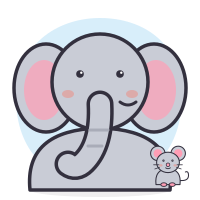 big
 little
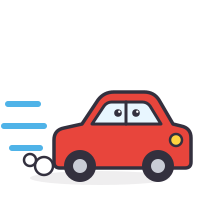 fast
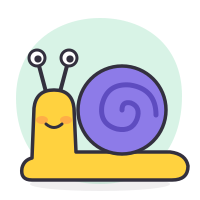 slow
| Word | Dino sentence |
|---|---|
| big | Brachiosaurus is big! |
| little | This dinosaur is little. |
| fast | Velociraptor is fast! |
| slow | Ankylosaurus is slow. |
| stomp | Stomp, stomp, T. rex! |
| eat | Triceratops eats leaves. |
| egg | Crack! A dinosaur egg! |
| swim | Spinosaurus can swim. |
| fly | Pteranodon can fly. |
These words travel far beyond the toy box. Big and little work for shoes and spoons, fast and slow for cars and walks, and eat for every meal of the day. Colors join in easily too: a green dinosaur, a red dinosaur, a purple dinosaur nobody has ever seen.
Two dinosaurs need one more sound, the s at the end. “One dinosaur, two dinosaurs, three dinosaurs” makes a perfect counting game, and lining the toys up in a row makes that little s easy to hear. Our plural nouns lesson plays the same counting game with cats, socks and cars.
Phrases for dinosaur play
Short phrases carry the game along. Pick two or three and use them every time the dinosaurs come out, so your child hears them in the same moments day after day.
- “Here comes T. rex!” when a dinosaur enters the scene.
- “Roar like a dinosaur!” when it’s time to be loud.
- “Shh, the dinosaur is sleeping.” when it’s time to be quiet.
- “Where is Stegosaurus?” when one goes missing under the sofa.
- “The dinosaur is hungry. What does it eat?” at snack time.
- “Bye-bye, dinosaurs! Time to sleep.” when the toys go back in the box.
Use your voice to paint the words. Make “big” slow and deep, “little” quick and high, and “roar” as loud as the room allows. A word that comes with a feeling stays with a child far longer than a word said flat.
The dinosaur dig game
Every child wants to be a dinosaur hunter at least once. Bury small toy dinosaurs in a sandbox, a tray of rice or a big bowl of dry beans, and hand over a paintbrush and a spoon. Then the English begins.
- Set up the dig. Hide the dinosaurs while your child covers both eyes: “Close your eyes! No peeking!”
- Dig. “Dig, dig, dig!” Brush the sand away slowly, like a real fossil hunter.
- Find. When a dinosaur appears, ask: “What did you find?” Your child answers with the name, or you say it together: “A Triceratops!”
- Describe. One quick question per find is enough: “Is it big or little?” “Does it have a long neck?”
- Clean the finds. Dip each dinosaur in a bowl of water and ask: “Is it clean now?” Your child shakes it dry with a happy “All clean!”
For a dig that lasts longer, make ice eggs the night before. Tuck a small dinosaur inside a water balloon, leave it to turn to ice overnight, then peel the balloon away. In the morning your child pours warm water over the egg, cup by cup, and waits for the dinosaur to break out. “Crack, crack! It’s hatching!” is a line children beg to hear on repeat.
The living-room dinosaur museum
Turn a shelf or a row of books into a dinosaur museum. Your child arranges the dinosaurs, draws a small picture label for each one and becomes the museum guide. You are the visitor, and you know nothing at all about dinosaurs, which is the best part. The labels can stay pictures, since spoken English comes long before letters, as our piece on English before reading explains.
The guide walks you along the shelf: “This is Stegosaurus. It has plates. It eats plants.” You ask simple questions: “Is it heavy?” “Is it fast?” “What is this one called?” When your child gets stuck, offer a question with two answers inside it: “Is it Diplodocus or Brachiosaurus?” The right word is sitting right there, ready to be picked.
Swap roles now and then. When you are the guide, make silly mistakes on purpose: “This is T. rex. It eats… carrots!” Your child will rush to put you right, in English, with enormous delight. A dinosaur picture book can join the museum as its gift shop, and our guide to bilingual books for kids helps you pick one that works in both of your languages.
Four more dinosaur games
- Dinosaur says. A copycat game with a prehistoric twist: “Dinosaur says stomp!” “Dinosaur says roar!” “Dinosaur says sleep!” Everyone moves only when the dinosaur says so.
- Hatch the egg. Your child curls up small like an egg. You knock gently: “Knock, knock! Who’s in there?” Out bursts a dinosaur with a roar and a name.
- Dinosaur footprints. Cut big footprints out of paper and lay a path across the room. Your child stomps from print to print while you call out how to move: “Big steps! Tiny steps! Jump!”
- Guess the dinosaur. Describe one with two clues: “It has a long neck. It eats from the treetops.” Your child shouts the name, and then it’s your turn to guess.
Common mistakes with dinosaur names
A few habits get in the way. Each one is easy to swap for something that works better.
- Too many names at once. Five favorites are plenty to start. Add a new name only when the old ones come easily.
- Correcting every sound. When your child says “Tri-sa-tops”, answer happily with the right name: “Yes, Triceratops!” Hearing the name said well does more than being stopped mid-word.
- Rushing. Grown-ups tend to swallow long words. Slow down, lean on the strong beat and give each part its moment.
- Explaining instead of playing. Long talks about how dinosaurs lived can wait. First come the names, the stomping and the roaring.
How Tatako lessons fit around dinosaur play
A Tatako lesson slips in nicely before or after a dinosaur game. Your child hears each word three times, with a short pause after each, then touches one of two pictures. A little later the picture comes back, and your child names it first. It takes about five minutes a day, and there is nothing to read.
Afterward you spend about two minutes marking each word: new, repeat more, understands, or can say. Shaky words come back first, so the words that need more time get it. Your child learns English, while the guidance, menus and every step for you stay in your family’s language. For more ways to bring English into ordinary days, see our guide to teaching English to kids at home.
Try it today
- Make a dinosaur shadow on the wall with a flashlight at bedtime and ask, “Whose shadow is that?”
- Hum a tune and let your child’s dinosaur dance until the music stops: “Freeze, T. rex!”
- Ask your child to pick a dinosaur and find something in the room of the same color: “Green, like my Stegosaurus!”
- Choose a dinosaur of the day at breakfast and greet it by name whenever you pass it: “Hello, Diplodocus!”
To go with this guide, print the Tatako mazes and the opposites flashcards.
Questions parents ask
Do I need to know the dinosaur names myself?
Read the pronunciation table once, say the names aloud a few times, and you’re ready. When a name slips your mind, ask your child: children love knowing more than their parents, and teaching you is excellent practice.
My child is scared of T. rex. Should we skip dinosaurs?
Start with the gentle giants. Brachiosaurus and Diplodocus munch leaves and move slowly, so give them friendly voices, let them nap and share snacks, and keep the roaring for when your child asks for it. Fear often softens once your child is the one who makes the dinosaur roar.
What if my child says the names the way we say them in our language?
Many dinosaur names look almost the same in other languages but sound different. Turn it into a game of two voices: your child says the name the home way, you answer the English way, then you swap and laugh at how different they sound. Two versions of one name are a bonus, and your child will sort them out by hearing both.
My child only wants to talk about dinosaurs. Is that a problem?
Follow the interest and bring other words in through it. Dinosaurs can eat breakfast, take a bath, put on shoes and go to bed, which means a whole daily routine in English can ride on a dinosaur’s back.
How much dinosaur science belongs in English play?
Simple facts make great sentences: “Diplodocus is a plant-eater.” “T. rex is a meat-eater.” Leave the big questions, like where the dinosaurs went, for your family language, where your child can follow the whole story.
Dinosaur names for kids turn ordinary play into English that roars, stomps and hatches. Start with a few favorites, add a describing word or two, and let the dig, the museum and the games do the rest. When you’d like a short, ready-made English moment, open a Tatako lesson together. More ideas for learning at home are waiting on the Tatako home page.
Still have a question? Ask Nuri.