First signs are a handful of simple hand signs that let your child tell you “more,” “milk” or “all done” before the words come. You say the word and make the sign at the same time, in the real moment, every day. One morning a small hand taps its fingertips together at breakfast, and you know exactly what it means: more, please.
Signs don’t replace talking. They sit right next to the words, and they give your child a way to take part in the conversation early. In a home with Spanish and English there is a bonus: one sign works for both “more” and “más.”
This guide covers what first signs are, why families use them, when to start, the first three signs, ten more useful signs with their English and Spanish words, how to teach a sign in three steps, signs in a home with two languages, five-minute sign games and songs, and common mistakes.
In this guide
- What first signs are
- Why families use signs
- When to start and what to expect
- The first signs: more, milk and all done
- Ten more useful signs
- How to teach a sign in three steps
- Signs in a home with two languages
- Sign games and songs for five minutes
- Common mistakes (and what to do instead)
- Where Tatako fits
- Questions parents ask
What first signs are
First signs are simple hand signs for everyday words. Many of them come from American Sign Language, and some are gestures that families make up on their own. Sign languages are full languages, with their own grammar, used by Deaf communities around the world. First signs borrow just a few of their words and use them alongside spoken words.
The signs are about what kids need and love most: food, drink, more, all done, help, the bath, books and the dog. That is what makes them useful. Each sign opens a door to something your child really wants.
You don’t need classes or special materials. You need three or four signs, the moments when those words come up and a little patience while your child’s hands catch up with their ideas.
Why families use signs
The biggest reason is simple: signs give your child a way to tell you what they need. A child who can sign “milk” or “all done” doesn’t have to cry or point at everything in the kitchen while you guess. Fewer guessing games mean calmer meals for everyone.
Signs also make words visible. When you sign “more” and say “more,” your child sees the word and hears it at the same time, just like a wave that goes with “bye-bye.” The sign gives the word a shape your child can copy before their mouth is ready to say it.
Signs pull your child’s attention to your face and hands, which is where the words are. Signing slows you down a little, too, and that pause is a gift: you say the word clearly, you wait, and your child has time to answer.
And signs are fun. Children love showing what they know, and a child who signs “dog” every time a neighbor’s dog walks by is very proud indeed.
When to start and what to expect
Start whenever you like. Many families begin when their child is curious about hands, waves and pointing, before the first words arrive. Children who already say a few words enjoy signs too, especially in songs and games.
Expect to sign for a while before your child signs back. It often takes weeks of the same sign in the same moment before the first small hand moves. Children understand signs long before they make them, so watch for the signs of understanding: a look toward the fridge when you sign “milk,” a kick of excitement when you sign “bath.”
The first signs your child makes will be rough. A clap can mean “more,” and a happy flap of both hands can mean “all done.” Celebrate every try and answer it, and the shape of the sign will get closer with time.
The first signs: more, milk and all done
Three signs are plenty for the first weeks. They come up many times a day, and each one gets your child something they care about.
- more. Bring the fingertips of both hands together and tap them a few times. Use it at meals, on the swing and between tickles: “More? More!”
- milk. Open and close one hand, as if you were squeezing something soft. Use it before every bottle or cup of milk: “Milk? Here’s your milk.”
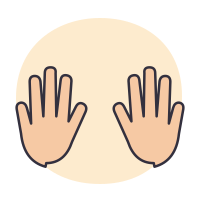
- all done. Hold both hands up, palms toward you, and twist them outward. Use it at the end of meals, baths and games: “All done! Bath is all done.”
“All done” is a special favorite with parents. A child who can sign it at the end of a meal has a calm way to say “I’m finished,” instead of dropping the plate on the floor.
Ten more useful signs
When the first three feel easy, add one or two more from this list. Pick the ones that match your child’s day.
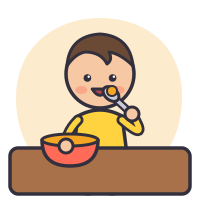 eat
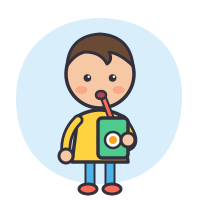 drink
 mommy
 daddy
| English | Spanish | How to sign it |
|---|---|---|
| eat | comer | Bring the fingertips of one hand to your mouth. |
| drink | tomar, beber | Tip a curved hand to your mouth, like a cup. |
| please | por favor | Rub a flat hand in a circle on your chest. |
| thank you | gracias | Touch your chin with a flat hand and move it forward. |
| help | ayuda | Rest a fist on your open palm and lift both together. |
| mommy | mamá | Tap your chin with the thumb of an open hand. |
| daddy | papá | Tap your forehead with the thumb of an open hand. |
| bath | baño | Rub both fists up and down on your chest. |
| book | libro | Press your palms together, then open them like a book. |
| dog | perro | Pat your leg, as if calling a dog. |
Signs vary from place to place, and families often adapt them to small hands. What matters most is that everyone uses the same sign every time. “Please” and “thank you” are lovely signs to add early, and our guide on how to teach kids manners has more ideas for those first polite words.
How to teach a sign in three steps
Every sign is taught the same way, in the moment it matters:
- Say it and sign it together. “Do you want more? More!” Sign “more” as you say the word, and then give more. The word, the sign and the thing arrive together.
- Pause and wait. Next time, hold the bowl for a moment, sign “more” and wait. Count to five in your head. That pause is your child’s turn.
- Answer any try. A clap, a tap or a look all count. Say the word again with the sign and give the snack: “More! Here’s more.”
Keep your face and voice part of it. Smile, say the word clearly and look at your child while you sign. The sign is a helper for the word, so the word should always be there.
Some children like it when you gently shape their hands into the sign. Others pull away. Follow your child: if they enjoy it, help a little; if not, just keep signing yourself, and they will copy you when they are ready.
Meals are the easiest place to start, because “more,” “milk,” “eat” and “all done” all happen there. Our guide to food words for kids has more mealtime words to pair with signs.
Signs in a home with two languages
Signs fit a bilingual home beautifully, because one sign goes with both words. The sign for “more” works with “more” and with “más.” The sign for “milk” works with “milk” and with “leche.” When Grandma says “leche” and you say “milk,” and both of you make the same sign, your child sees that the two words mean the same thing.
Each person can keep their own language. A parent who speaks Spanish says “más” with the sign, a parent who speaks English says “more” with the same sign, and the babysitter does the same in their own language. The sign stays the same, and the words come in both languages.
Share your short list of signs with everyone who cares for your child: grandparents, babysitters and the preschool teacher. When everyone uses the same signs, your child gets the same message everywhere. Our guide to first words in English and your home language has more on growing first words in two languages.
Sign games and songs for five minutes
Each of these takes about five minutes and fits into your normal day:
- Snack time more. Offer a snack in small pieces, one at a time. Each “more” sign, or try, gets another piece.
- Bath splash. Splash, splash, then sign and say “all done!” Wait, and start again when your child signs “more.”
- Animal signs. Line up toy animals and give each one a sign: pat your leg for the dog, draw whiskers on your cheeks for the cat. Name each animal as you sign it.
- Song signs. Add one sign to a favorite song, like “Old MacDonald Had a Farm” or “Twinkle, Twinkle, Little Star.” Sign “more” at the end, and sing it again when your child asks.
- Book hunt. Sign “book” and go find one together. Then sign “more” after each page.
- Mirror signs. Sit in front of a mirror and make your three signs together. Children love watching their own hands.
For more songs to share, see our guide to English songs for kids. Songs are perfect for signs, because the same words come back again and again.
Common mistakes (and what to do instead)
- Signing without the word. The sign is a helper for the word. Say the word every single time you make the sign.
- Too many signs at once. Twenty signs in the first week blur together. Start with three, and add one when those feel easy.
- Turning signs into a drill. “Show me more! Show me milk!” at random times doesn’t mean much. Use each sign in the real moment, when it gets your child something.
- Waiting for a perfect sign. A clap for “more” is a real sign. Answer it, then show the usual sign again.
- Different signs from different people. If Grandma has her own sign for “milk,” your child has to learn two. Agree on one list for everyone.
- Holding back the snack until the sign comes. Signs work best as an invitation, not a test. Give the chance, wait a moment, and then give the snack anyway with the word and the sign.
Where Tatako fits
Signs help with the words of meals, baths and play at home, in the moments when they matter. Tatako adds short, calm English lessons for first words, with clear spoken words and simple pictures. Tatako is a first-words app for bilingual families, and its short spoken lessons cover first words and phrases: people, food, animals, colors, actions, little helper words and what the teacher says at preschool, in about five minutes a day, with nothing to read.
Part of each lesson works a lot like a sign, because your child can answer without saying a word. Your child hears each word three times, with a pause to say it out loud. Next come two pictures, and your child touches the one they hear, a way to show they understand before the word is ready. Finally the picture comes back without the word, and your child gets to name it first. Afterward, a grown-up spends about two minutes marking how each word went (New, Repeat more, Understands or Can say), and the next lesson brings the shaky words back first. You choose the mix of old and new words.
A guide voice explains what to do, and you can turn it off once you don’t need it. Lessons work on the web, on Apple and on Android, and you sign in with Google. Learn more on the Tatako home page.
Try it today
- Pick your first three signs: more, milk and all done.
- Sign “more” at every snack today, and say the word each time.
- Sign “all done” at the end of bath time, with a big smile.
- Show the same three signs to everyone who cares for your child.
Questions parents ask
Should I teach my child a few signs?
Teach a few signs if your family enjoys it. Three signs, used every day and always with the word, give your child an early way to tell you what they need, and they make mealtimes calmer.
Will signs keep my child from talking?
Signs and words grow together when you always say the word with the sign. As spoken words come, children use them more and leave the signs behind on their own.
Which signs should we teach first?
Start with more, milk and all done. They come up many times a day, and each one gets your child something they want. Add eat, drink, help, please and thank you next.
Do signs work in a home with two languages?
Signs fit two languages well, because one sign goes with both words: the sign for more goes with “more” and “más.” Everyone in the family can use the same signs, each in their own language.
What if my child makes a sign differently?
Accept it and answer it. Small hands make rough signs at first, and a clap for “more” is a real sign. Keep making the sign the usual way, and your child’s version will get closer over time.
Signing is a small, friendly bridge to first words: more, milk, all done, and a spoken word with every sign. Start with three, use them in real moments and celebrate every try. And when you’d like a short, calm English lesson to share, start a Tatako lesson together.